If you own a historic home in Telluride, preparing it for sale is rarely as simple as updating finishes and calling a photographer. In-town buyers often value authenticity as much as comfort, and the wrong pre-list changes can create review issues, added cost, or lost character. With the right plan, you can protect what makes your property special, address the items buyers will scrutinize, and bring your home to market with confidence. Let’s dive in.
Start With Historic Review
In Telluride, historic-home preparation should begin with preservation rules, not a generic remodel checklist. The town’s core is part of a National Historic Landmark District, and preservation is managed through local design review tools.
Before permits are issued for demolition, moving, renovation, restoration, additions, or exterior alterations, the Historic and Architectural Review Commission, or HARC, issues Certificates of Appropriateness. That means even well-intended changes may need review before work begins.
Your first step is to confirm the property’s zone district. From there, you can apply the standards that fit that district, including the Historic Residential Zone District, which is intended to preserve, maintain, and enhance historic character and scale.
For many sellers, this early step helps avoid a common mistake: investing in updates that do not align with local guidelines. In a market like Telluride, thoughtful preparation usually adds more value than rushed modernization.
Preserve Character-Defining Features
Historic homes tend to stand out because of their original proportions, materials, and visible details. In Telluride, those elements are not just aesthetic, they are part of the review framework that shapes what should be preserved whenever feasible.
Keep Original Windows When Possible
Telluride’s design guidelines identify windows as key character-defining features. Their proportions, number of divisions, and frame dimensions all matter.
The town’s guidance generally favors restoring historic windows and using storm windows over full replacement. Repair methods such as patching, splicing, or reinforcing are recommended first, and if replacement is truly necessary, the new window should match the original form and material.
The guidelines also caution against changing window size or location on historic facades, adding new windows to street-visible elevations, or using divided-light patterns that do not match the original. For a seller, that means original windows may be an asset when they are repaired and presented well.
Respect the Original Exterior
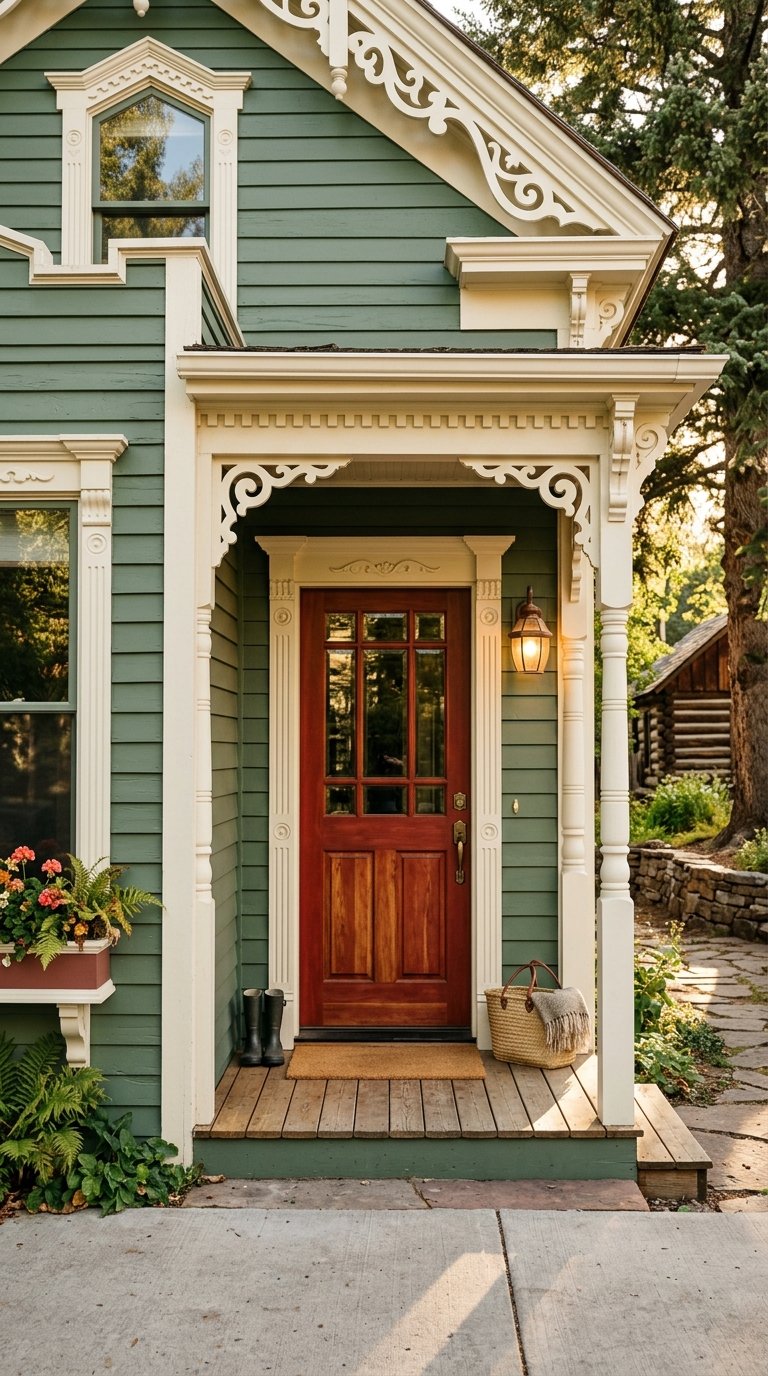
Historic appeal often comes from restraint. Buyers looking at a Telluride historic home may appreciate modern livability, but they also notice whether siding, trim, porch details, rooflines, and openings feel authentic.
If you are deciding where to spend money, start with repair, cleaning, paint, and maintenance rather than redesign. A well-kept exterior that honors the home’s age usually reads better than a heavily altered one.
Be Careful With Additions
Some owners consider adding space before listing, especially if they believe a larger footprint will increase value. In a historic Telluride setting, that decision deserves extra caution.
Guidance used in preservation practice supports absorbing functional needs within secondary areas of the house first. If an addition is necessary, it should remain compatible in massing, size, scale, and architectural features while still being visually distinguishable from the historic structure.
Keep New Work Secondary
Rear or less conspicuous side locations are generally preferred for additions. The goal is for new work to read as subordinate to the historic building, not to overpower it.
That same principle fits Telluride’s local framework, which emphasizes historically compatible site planning, traditional town grid patterns, and roof ridge orientation. In practical terms, a pre-sale addition is usually worth considering only if it is modest, carefully placed, and likely to pass review without compromising the home’s character.
Understand Site Planning Limits
Exterior changes are not limited to the house itself. Landscaping, setbacks, and site relationships can also affect how a project is reviewed.
Telluride’s landscape guidance says plant materials should be compatible with the historic context, established native plantings should be preserved when feasible, and replacement plantings should be similar in size or massing. Large areas of sod are not allowed, and mature trees should be considered in relation to views, foundations, and structures.
In the Historic Residential Zone District, HARC may reduce setbacks to help preserve historic structures, context, mature vegetation, or steep slopes. That is another reason even modest exterior work should be evaluated carefully before you begin.
Focus on Hidden-Condition Work First
For most sellers, the strongest pre-list strategy separates visible historic character from the systems and conditions buyers will investigate during due diligence. That approach helps you maintain authenticity while reducing avoidable surprises.
A buyer can appreciate original millwork and historic windows, but they will still want clarity on roof condition, drainage, moisture, electrical systems, plumbing, heating, and structural concerns. In older homes, these hidden-condition items often influence negotiations more than cosmetic upgrades.
Build a Practical Pre-List Checklist
A focused pre-list review may include:
- Roof condition and any history of leaks
- Window leaks or deferred window repairs
- Drainage patterns, water intrusion, and flooding history
- Basement or crawlspace moisture concerns
- Structural issues and retaining walls
- Plumbing, electrical, and HVAC condition
- Prior engineering, mold, roofing, sewer, or soils reports
- Service records, receipts, and permits for completed work
This kind of preparation is especially useful in Colorado because the residential Seller’s Property Disclosure form asks about many of these exact issues based on your current actual knowledge. If you uncover a new adverse material fact later, you are expected to disclose it promptly.
Consider a Pre-List Inspection
A pre-list inspection can help you organize facts before the home hits the market. It can also give you time to decide which repairs are worth making, which items should simply be disclosed, and how to assemble documentation in a clean, credible way.
In a luxury Telluride sale, that level of preparation supports smoother negotiations. It also aligns with a precise, discretion-minded selling process, especially if you are managing the property remotely.
Organize Disclosures Early
For older Telluride homes, disclosures should be part of the pre-list timeline, not a last-minute task. Historic properties often come with a longer paper trail, and gathering documents early can reduce friction once a buyer is engaged.
Colorado’s residential Seller’s Property Disclosure requires answers based on your current actual knowledge and warns that failure to disclose a known adverse material fact can create legal liability. The form includes specific questions about structural problems, moisture or water intrusion, roof leaks, flooding and drainage, radon mitigation, association matters, and known reports or studies.
Radon Records Matter in Colorado
Colorado real estate practice requires attention to radon disclosures. Residential contracts or seller disclosures must include whether radon tests were performed, the most recent records or reports, any mitigation or remediation, and whether a mitigation system has been installed.
If your home has been tested or mitigated, gather those records before listing. Having them ready helps you respond quickly and consistently once due diligence begins.
Check Lead-Based Paint Requirements
If your Telluride home was built before 1978, lead-based paint disclosure requirements may apply. Sellers and agents must disclose known lead-based paint and hazards, provide available records and reports, provide the required pamphlet, and allow the buyer a 10-day period for a lead paint inspection or risk assessment.
Because many in-town homes are older, it is smart to confirm what documentation you already have well before you go live.
Gather HOA and Hazard Documents
If the property is part of an HOA, the Seller’s Property Disclosure asks for association information and assessment details. Historic properties can also raise questions tied to flood or drainage history, and local code may require geologic or flood hazard reports and related permits when applicable.
Pulling these materials together early supports a more orderly transaction. It also signals to buyers that the property has been represented with care.
Stage for Authenticity, Not Over-Modernization
When it is time to prepare the home visually, think polished and honest. In Telluride, a historic property often shows best when it feels well cared for, functional, and true to itself.
That does not mean dated or neglected. It means highlighting original features, improving light and flow, and avoiding staging choices that fight the architecture.
What Usually Helps Most
In many cases, the highest-impact prep items are straightforward:
- Fresh paint where appropriate
- Careful repair of trim, doors, and windows
- Deep cleaning inside and out
- Landscape cleanup with historically compatible plantings
- Safety and code-minded fixes
- Decluttering to make room proportions easier to read
These updates tend to support value without raising the risk of preservation conflicts. They also photograph well, which matters in a market where presentation can influence first impressions quickly.
Prepare for a More Informed Buyer
Historic Telluride homes attract buyers who tend to ask sharper questions. They may want to understand not only the home’s story, but also what has been repaired, what has been preserved, and what future changes may require review.
That is why the best sale preparation is rarely about making the home look new. It is about making the home feel credible, cared for, and ready for the next owner.
With a historic property, precision matters. A measured pre-list plan can help you preserve architectural character, reduce transaction friction, and position the home in a way that respects both its history and today’s buyer expectations.
If you are considering a sale and want a discreet, strategic plan for a historic Telluride property, O'Neill Stetina Group can help you evaluate preservation considerations, pre-list priorities, and market positioning with care.
FAQs
What should you do first before updating a historic Telluride home for sale?
- Confirm the property’s zone district and review whether planned work may require HARC approval before permits or changes move forward.
Are original windows important when selling a historic Telluride home?
- Yes. Telluride’s design guidelines identify window proportions, divisions, and frame dimensions as character-defining features and generally favor repair over replacement whenever feasible.
Should you add square footage before listing a historic Telluride property?
- Not automatically. In many cases, repairs, maintenance, and functional improvements offer a better return than a pre-sale addition that may trigger design review or conflict with the home’s historic character.
What disclosures matter most for an older Telluride home sale?
- Sellers should be ready to address current actual knowledge about structural issues, moisture or water intrusion, roof leaks, flooding and drainage, radon, HOA matters, and known reports or studies related to the property.
Does a pre-1978 Telluride home require lead-based paint disclosure?
- Yes, if the home was built before 1978, federal lead-based paint disclosure requirements may apply, including disclosure of known hazards and sharing any available records or reports.
Why is a pre-list inspection helpful for a historic Telluride home?
- A pre-list inspection can help you identify condition issues early, organize records, plan repairs thoughtfully, and reduce surprises during buyer due diligence.