If you are thinking about living in Telluride, your daily routine may matter more than the address itself. In a town that is just 12 blocks by 8 blocks, small shifts in location can change how quickly you reach the gondola, trails, Town Park, or Main Street. This guide will help you compare Telluride’s in-town neighborhoods so you can narrow your search with more clarity and confidence. Let’s dive in.
Why in-town Telluride feels distinct
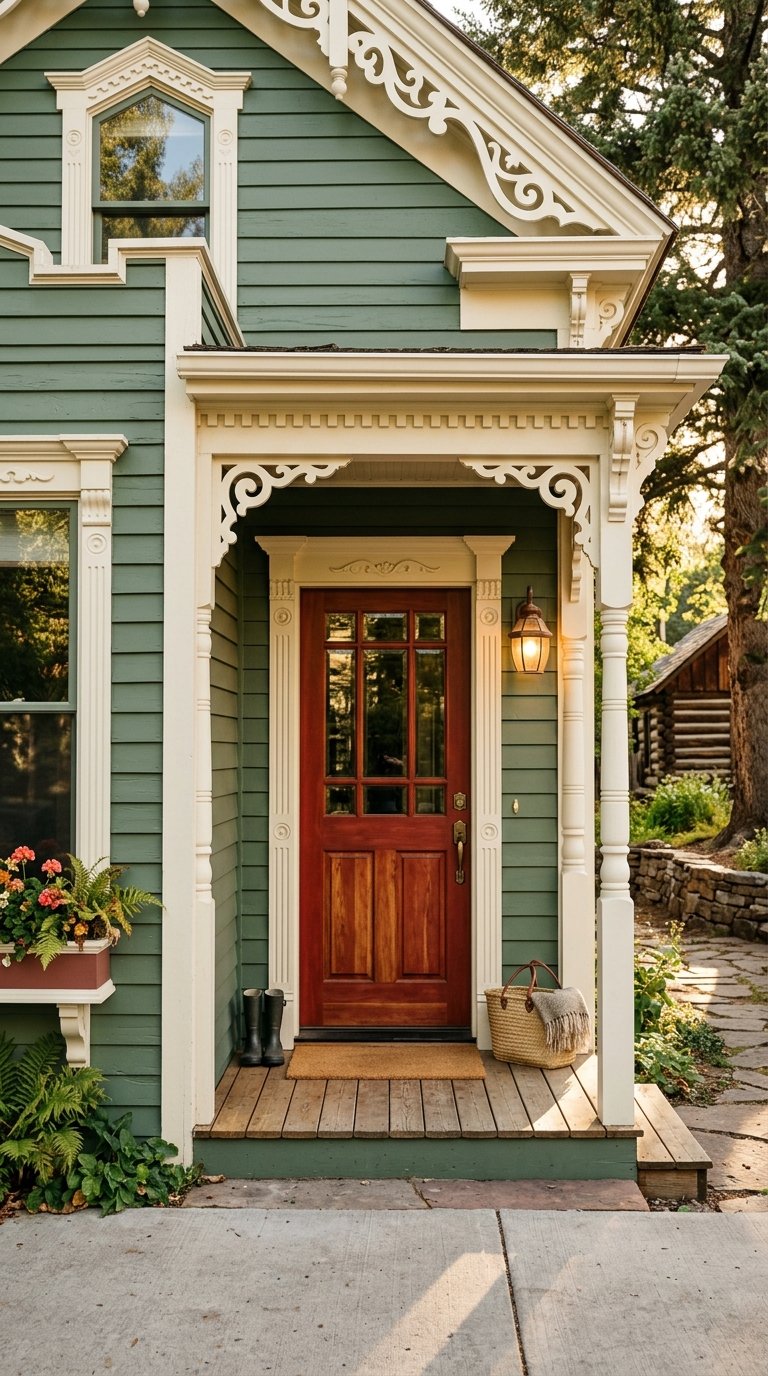
Telluride’s historic core is remarkably compact, and that shapes daily life in a meaningful way. According to the town’s Historic Preservation program, the core was designated a National Historic Landmark District in 1961, with preserved Victorian homes, mining-era buildings, and storefronts that still define the town today.
Because so much is packed into a walkable grid, the experience of living in town is often less about distance and more about rhythm. You may be just minutes from dining, cultural venues, trailheads, transit, and recreation, but each part of town offers a different balance of activity, access, and residential feel.
Getting around town
One of the first things many buyers want to know is how car-light life can be in Telluride. The answer is: very, in many cases. The town notes that Telluride is accessible by walking, and the Galloping Goose bus loops through major points including Town Park, the Courthouse, the Post Office, the Gondola, the High School, Shandoka, and Carhenge.
The free Telluride gondola is another major part of in-town mobility. It connects Telluride and Mountain Village in about 12 minutes, runs daily from 6:30 a.m. to midnight, and closes briefly during shoulder seasons for maintenance. For many buyers, that makes proximity to the town-side Oak Street station a practical factor, especially in winter.
Downtown and Main Street
Best for walkable daily life
If you want to be in the middle of Telluride’s everyday energy, Downtown and the Main Street corridor are often the natural starting point. The official town map places the museum, courthouse, Sheridan Opera House, Palm Theatre, town hall, library, post office, schools, and grocery store within the same compact grid.
That concentration makes this area a strong fit if you picture your day unfolding on foot. You can move easily between restaurants, shops, cultural venues, and the gondola without needing to rely much on a car.
What stands out here
This part of town tends to appeal to buyers who value immediacy. If your ideal Telluride routine includes coffee, dinner out, festivals, and quick gondola access, the historic core supports that lifestyle especially well.
It also places you close to many of Telluride’s cultural anchors. The Sheridan Opera House is a 230-seat arts venue, the Palm Theatre seats 667, Elks Park hosts concerts and film screenings, and the Telluride Historical Museum sits in a restored 1896 miners’ hospital just off Main Street.
East End
Best for trails and a residential edge
On the east side of town, the setting becomes a bit more residential while staying close to the core. The town’s design guidelines identify East Telluride as a distinct treatment area and note the importance of preserving view corridors toward Bear Creek at the east end of the valley.
For many buyers, the main draw here is outdoor access. The town map places Town Park, Bear Creek, and several key trail access points on the east side, making this area especially relevant if you want quick access to recreation from your front door.
What daily life feels like
East End living often suits buyers who want a quieter in-town setting without giving up convenience. You are still within Telluride’s compact grid, but the emphasis shifts toward trails, canyon scenery, and a more neighborhood-oriented feel.
This is also where some of Telluride’s best-known outdoor amenities come into focus. Town Park includes a pool, pickleball and tennis courts, athletic fields, sand volleyball, a skate park, basketball courts, a fishing pond, a toddler playground, and winter ice-rink and Nordic uses.
Nearby trail access
If hiking access is part of your search criteria, the east side deserves close attention. Bear Creek Falls Trail begins from the end of South Pine Street through the 325-acre Bear Creek Preserve, and Jud Wiebe can be accessed from Aspen Street or Tomboy Road.
For many buyers, that kind of trail proximity is a deciding factor. It can make the East End feel less centered on activity and more centered on landscape and movement.
West End and Depot
Best for ski access and convenience
The west side of town offers a different kind of practicality. Official planning materials describe the west end as a resident-serving commercial node at the bottom of Lift 7, with attention to neighborhood shops, biking and pedestrian connections, the river trail, and the mixed-use area around Mahoney, West Pacific, Black Bear, Coonskin, and Davis.
If you are focused on efficient ski access and a functional in-town base, this area deserves a serious look. It is often the part of town that buyers compare when Main Street frontage matters less than convenience and proximity to recreation.
The Depot corridor
Within the west side, Depot is a notable micro-location. The Depot Residential Owners Association describes it as one of the most convenient areas in Telluride, close to shopping and restaurants, with the gondola station about a one-minute walk away and the ski area steps away.
That combination can be compelling for second-home buyers who want to simplify arrival, departure, and ski days. Instead of centering your search on the historic core, you may find that the west end offers a more practical launch point for how you actually plan to use the property.
River access and connections
The west side also connects well to the San Miguel River Trail, an easy year-round route described by Visit Telluride as dog-friendly and known for swimming holes. The StoryWalk follows part of the River Trail from the South Pine Street bridge to the west entrance of Town Park.
For buyers who value an active routine, that trail connection adds another layer to west-end appeal. It supports walking, biking, and easy movement through town beyond the ski season.
Sunnyside
Best for a quieter north-side pocket
Sunnyside is best understood as a residential pocket rather than a shopping or entertainment area. It appears in the town’s 2025 community survey as a primary-residence area, and town housing pages describe Sunnyside as a small residential complex with apartments, townhomes, tiny homes, childcare, and EV charging.
For buyers comparing the feel of different in-town areas, Sunnyside may stand out less for tourism-facing amenities and more for its residential character. It is a useful area to know if your priority is understanding how Telluride’s town fabric includes quieter pockets alongside the more visible central corridors.
Comparing the in-town areas
Quick neighborhood snapshot
| Area | Best Fit For | Key Advantages |
|---|---|---|
| Downtown / Main Street | Walkable dining, shopping, events, gondola access | Everyday convenience, cultural venues, historic core |
| East End | Trail access, Town Park proximity, residential feel | Bear Creek access, canyon scenery, recreation |
| West End / Depot | Ski access, river proximity, practical base | Lift 7 area, gondola convenience, river trail |
| Sunnyside | Quieter residential pocket | More residential setting within town |
How to choose the right area
Start with your daily rhythm
In Telluride, the better question is usually not which neighborhood is best overall. It is which area best matches the way you want to live when you are here.
If your ideal routine includes coffee, dining, events, and easy access to civic and cultural landmarks, Downtown and Main Street may be the strongest fit. If you picture mornings on the trail, regular use of Town Park, and a slightly more residential edge, the East End may feel more aligned.
If ski access, river proximity, and a practical base matter most, the West End and Depot corridor often move to the top of the list. If you want to understand the quieter residential side of in-town Telluride, Sunnyside adds useful context.
Factor in mobility and seasonality
Telluride is pedestrian-oriented, but parking is limited, and transit patterns matter. The town’s transportation guidance makes clear that walkability is a major advantage, while the gondola’s shoulder-season maintenance closures are an important detail to keep in mind.
That means your preferred location may depend on whether you expect to walk nearly everywhere, rely on the gondola regularly, or want easier access to specific trailheads or ski areas. These are small distinctions on the map, but they can make a meaningful difference in day-to-day use.
Think beyond the map
Even in a compact town, micro-location matters. A few blocks can change how connected you feel to Main Street, Lift 7, Town Park, Bear Creek, or the gondola station.
That is why a focused neighborhood search can be so valuable in Telluride. When inventory is limited, knowing your true lifestyle priorities helps you act with more precision when the right opportunity appears.
If you are weighing in-town options and want clear, discreet guidance on where to focus, the O'Neill Stetina Group can help you compare neighborhoods, evaluate micro-locations, and refine your search with a local, data-informed perspective.
FAQs
Which in-town Telluride neighborhood is closest to the gondola?
- The Oak Street station serves the town side of the gondola, and Downtown, the Main Street corridor, and parts of the Depot area offer especially convenient access depending on the property location.
Which Telluride in-town area feels most residential?
- The East End and Sunnyside are the in-town areas most commonly framed as more residential, while still remaining part of Telluride’s compact and walkable town layout.
Which Telluride neighborhood is best for trail access?
- The East End stands out for access to Town Park, Bear Creek, and nearby trailheads such as Bear Creek Falls and Jud Wiebe.
Which in-town Telluride area is best for ski access?
- The West End and Depot corridor are especially relevant if ski access is a top priority, with Lift 7 nearby and strong access to the gondola.
Can you live in Telluride without using a car every day?
- Yes. Telluride is highly walkable, the Galloping Goose bus loops through key points in town, and the gondola connects Telluride and Mountain Village, though parking is limited and the gondola has shoulder-season closures for maintenance.