If you want a mountain lifestyle where daily errands, dining, recreation, and ski access can happen without getting behind the wheel, Telluride’s historic core stands out. In a market where location shapes both lifestyle and long-term value, the town’s compact layout creates a version of resort living that feels unusually easy. Understanding how that works can help you decide whether an in-town condo or historic home is the right fit for your goals. Let’s dive in.
Why Telluride’s core feels truly walkable
Telluride’s downtown sits inside a compact box canyon, and the historic core is only about eight blocks wide and twelve blocks long. That scale matters because it keeps daily life close together, rather than spread across a larger resort footprint.
Within that grid, Main Street and the surrounding streets concentrate much of the shopping, dining, and nightlife. Town Park sits at the east end of town, adding recreation and event access without requiring a drive across town.
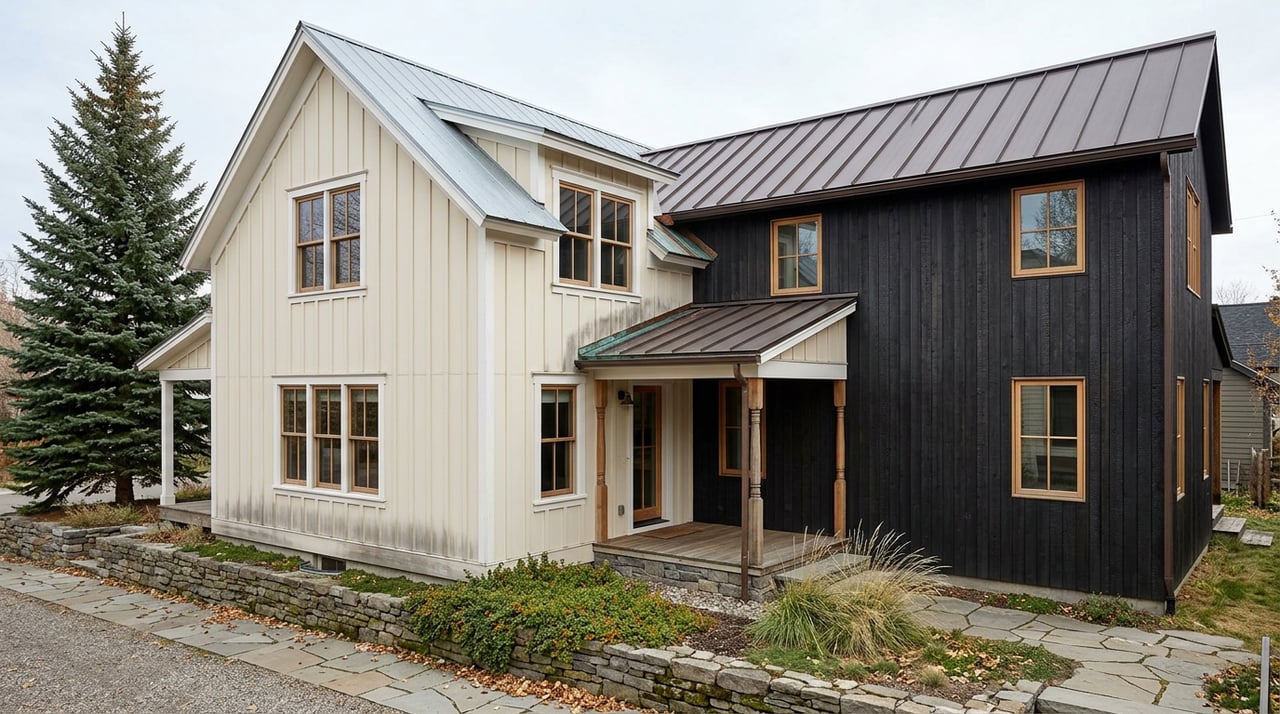
This is also a place with a distinct physical character. The National Historic Landmark District includes Victorian-era homes, clapboard storefronts, and other historic features that shape the look and feel of the area.
How transit supports car-free living
The free gondola is the backbone of Telluride’s car-free lifestyle. It connects Telluride and Mountain Village in about 12 minutes and was originally built to help improve air quality by keeping cars off the road.
For many buyers, that connection changes how you use the region. You can move between the town core and Mountain Village without dealing with parking, and you also gain direct access to hiking, biking, and ski areas from town.
Telluride Station is on Oak Street, which makes nearby homes and condos especially practical for people who want to move around on foot. If your goal is to rely less on a car, proximity to the gondola can be one of the most important location details to evaluate.
Year-round local transit options
The gondola is not the only mobility option. The Galloping Goose town loop runs 365 days a year, stops at any street corner in town, and serves major points including Town Park, the Gondola, the Courthouse, and the Post Office.
That kind of coverage reinforces the ease of living in town. Even when you are not walking, you can still get across the core quickly without needing to park or reposition a vehicle.
Seasonal closures to know
The gondola has spring and fall maintenance closures. During those shoulder seasons, SMART provides a free bus between Telluride and Mountain Village when the gondola is closed.
That seasonal rhythm is important if you are buying a second home and expect seamless movement year-round. The car-free lifestyle still works well in town, but your pattern may shift a bit during quieter off-season periods.
Parking is limited by design
Telluride’s parking policies support a lower-car lifestyle. The town notes that parking is limited and encourages gondola use, carpooling, and the bus system.
In practical terms, that means in-town living can feel easier if you are comfortable walking and using transit. It also means that buyers who expect easy, unlimited curbside parking may need to adjust their expectations.
Visitor parking includes metered and time-limited street spaces, along with winter snow-removal restrictions. Free all-day visitor parking is available at Carhenge and Shandoka, which further supports the idea that cars are often better left outside the core once you arrive.
What daily life looks like without a car
Car-free living in Telluride is not just about transportation. It is about having the town’s most used amenities close enough that walking becomes your default.
Downtown shopping and dining are concentrated around Colorado Avenue and Main Street, with a retail mix that is local rather than chain-driven. If you enjoy stepping out for coffee, dinner, or a quick errand without planning a drive, that setup is a major part of the appeal.
Town Park also plays an outsized role in daily life. It offers a public pool, tennis and pickleball, athletic fields, a skate park, basketball courts, a fishing pond, a playground, winter ice skating, and Nordic skiing.
For much of the year, Town Park is also a social anchor. Major events on the 2026 festival calendar include Mountainfilm, the Balloon Festival, Bluegrass, Jazz, Mushroom, and Blues & Brews.
Trails start close to home
One of the strongest arguments for living in the historic core is how easily outdoor access folds into your routine. Several well-known trails and open-space areas are reachable directly from town.
The San Miguel River Trail can be accessed from side streets and follows the river the length of town. The Idarado Legacy Trail begins at Town Park, while the Valley Floor offers preserved open space for biking, hiking, running, snowshoeing, and groomed Nordic trails in winter.
The Telluride Trail starts at the base of the gondola, which adds another layer of convenience for hikers and skiers. For buyers who want to blend town life with daily outdoor use, this close-in access is a meaningful differentiator.
Best locations for a car-free lifestyle
If car-free living is a priority, location inside the town grid matters. Homes and condos near Main Street, Oak Street, and Town Park tend to offer the most direct access to dining, events, the gondola, and the local bus network.
That does not mean every in-town property lives the same way. A home a few blocks from the places you use most may still be walkable, but a property close to the gondola or Town Park can make day-to-day movement noticeably easier.
For condo buyers, this often becomes a question of routine. If you want to walk to dinner, reach the gondola quickly, and enjoy festivals or trails without moving your car, small differences in location can have a large effect on convenience.
The tradeoff: historic character and design review
The same features that make Telluride’s historic core special also create more oversight for owners. The town’s historic-preservation office notes that buildings, sheds, and site features contribute to the district’s character and are subject to design review.
HARC issues Certificates of Appropriateness before permits for demolition, renovation, restoration, additions, or alterations to structures or signs. For buyers considering a Victorian home or another older property, this is an important part of due diligence.
In simple terms, historic-core ownership can offer exceptional charm and walkability, but it may involve more rules around exterior changes than you would find in a typical suburban setting. If you value both lifestyle and preservation, that tradeoff may feel worthwhile. If you plan major visible changes, it deserves careful review before you buy.
What buyers should consider first
For buyers, the best fit usually starts with a few clear questions:
- Do you want to walk to dining, retail, and events regularly?
- How important is quick gondola access?
- Would you use Town Park and nearby trails often?
- Are you comfortable with limited parking and a lower-car routine?
- Are you prepared for historic-preservation review if you buy an older home?
These questions can help narrow the search quickly. In a supply-constrained market like Telluride, clarity on lifestyle fit is often just as important as square footage or finish level.
What sellers can highlight in marketing
If you own property in Telluride’s historic core, car-free convenience can be a meaningful part of your home’s story. Buyers often respond strongly to location advantages that simplify how they move through town.
Features worth highlighting may include proximity to the gondola, walkability to Main Street, easy access to Town Park, and closeness to the river trail or other outdoor routes. For the right buyer, these are not minor details. They are central to how the property will be used and enjoyed.
Sellers should also understand that buyers may look closely at preservation constraints, especially with older homes. Clear guidance around location, access, and ownership considerations can help position a property more effectively.
The seasonal side of car-free living
Telluride’s shoulder seasons are quieter, and that affects the feel of in-town life. Visit Telluride notes that spring and fall off-seasons include gondola closures and many business closures, which can make the town feel especially calm.
For some owners, that is a benefit rather than a drawback. If you enjoy a quieter version of Telluride, the historic core can still work well without a car once you are in town, especially with local transit support during gondola maintenance periods.
The key is knowing your own usage pattern. If you plan to visit during peak ski and summer months, the full walkable and transit-connected lifestyle is easy to appreciate. If you spend more time in shoulder seasons, it is wise to understand how services and movement patterns shift.
Telluride’s historic core offers something rare in a mountain market: a lifestyle where charm, recreation, dining, and transit all come together within a compact in-town grid. If you are evaluating a Victorian home, ski condo, or walkable in-town residence, the right guidance can help you weigh location, preservation considerations, and day-to-day usability with precision. To explore Telluride opportunities with a discreet, hyper-local perspective, connect with O'Neill Stetina Group.
FAQs
Is car-free living realistic in Telluride’s historic core?
- Yes. Telluride’s compact downtown grid, free gondola, Galloping Goose loop, and walkable access to Main Street, Town Park, and trails make it realistic for many owners to get around without using a car regularly.
Which parts of Telluride are best for walkability and gondola access?
- Homes and condos near Main Street, Oak Street, and Town Park usually offer the strongest combination of walkability, gondola access, and proximity to dining, events, and outdoor amenities.
What should buyers know about historic homes in Telluride?
- Buyers should know that properties in the historic core may be subject to design review, and certain exterior changes, renovations, additions, or alterations can require approval through the town’s preservation process.
Does Telluride’s gondola run year-round?
- No. The gondola has seasonal spring and fall maintenance closures, and during those periods SMART provides a free bus between Telluride and Mountain Village.
How does parking work in Telluride’s historic core?
- Parking is limited, with metered and time-limited street parking, winter snow-removal restrictions, and free all-day visitor parking available at Carhenge and Shandoka.
Is Town Park important for in-town Telluride living?
- Yes. Town Park is a major recreation and event hub with sports facilities, a playground, a fishing pond, winter ice skating and Nordic skiing, plus a festival calendar that anchors much of the town’s social life.