Welcome to Telluride
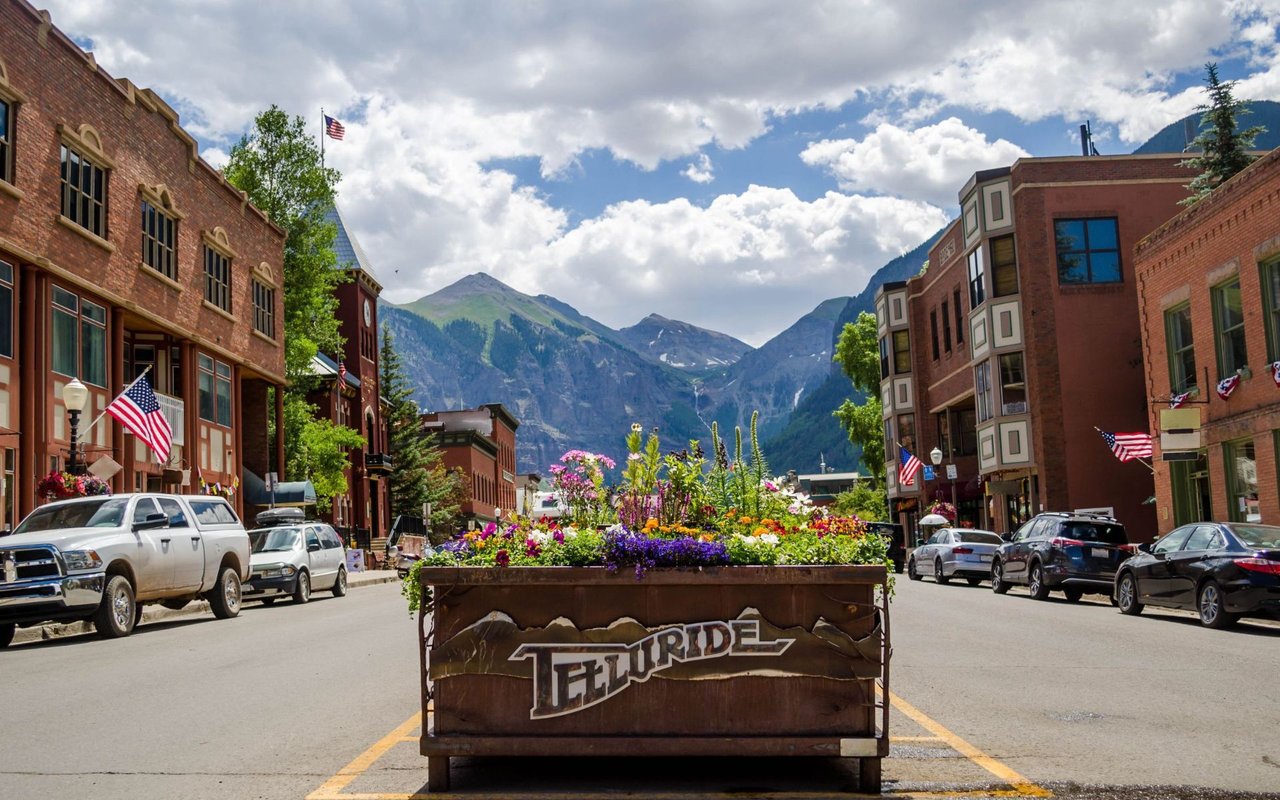
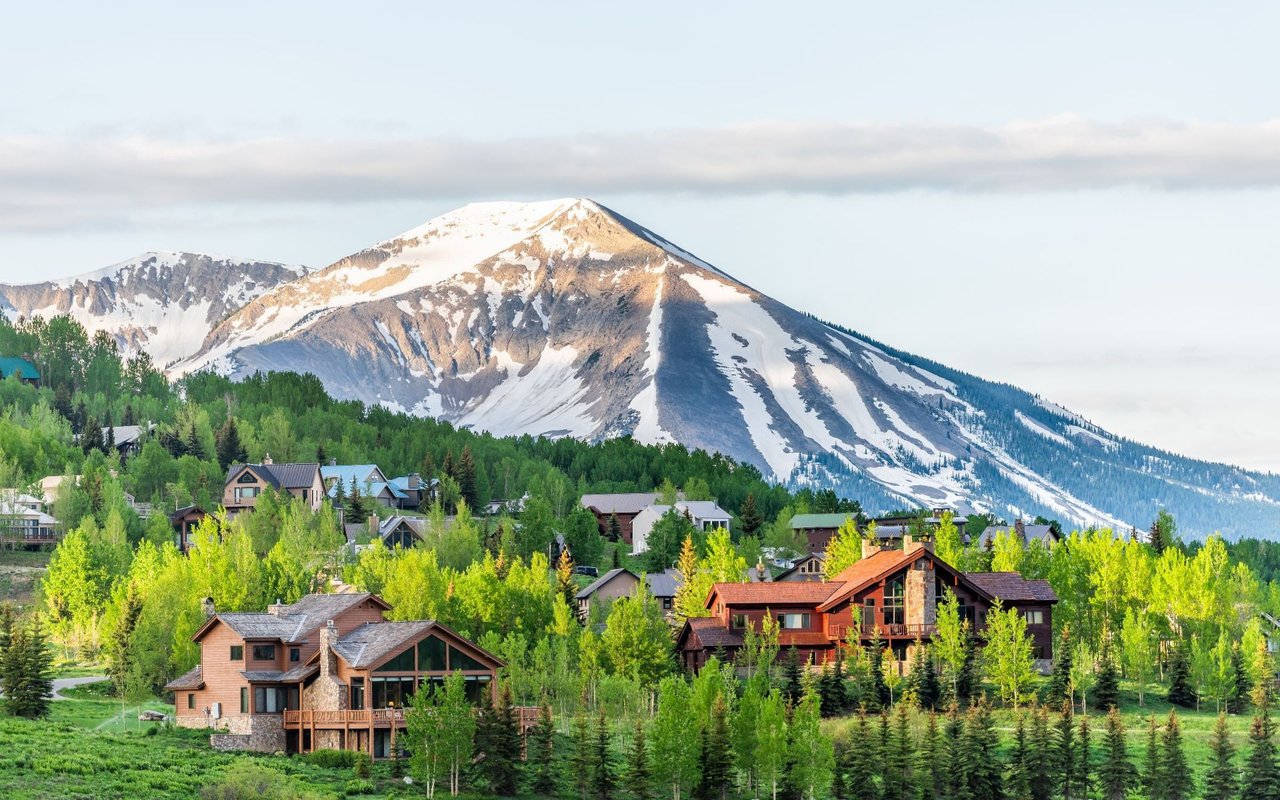
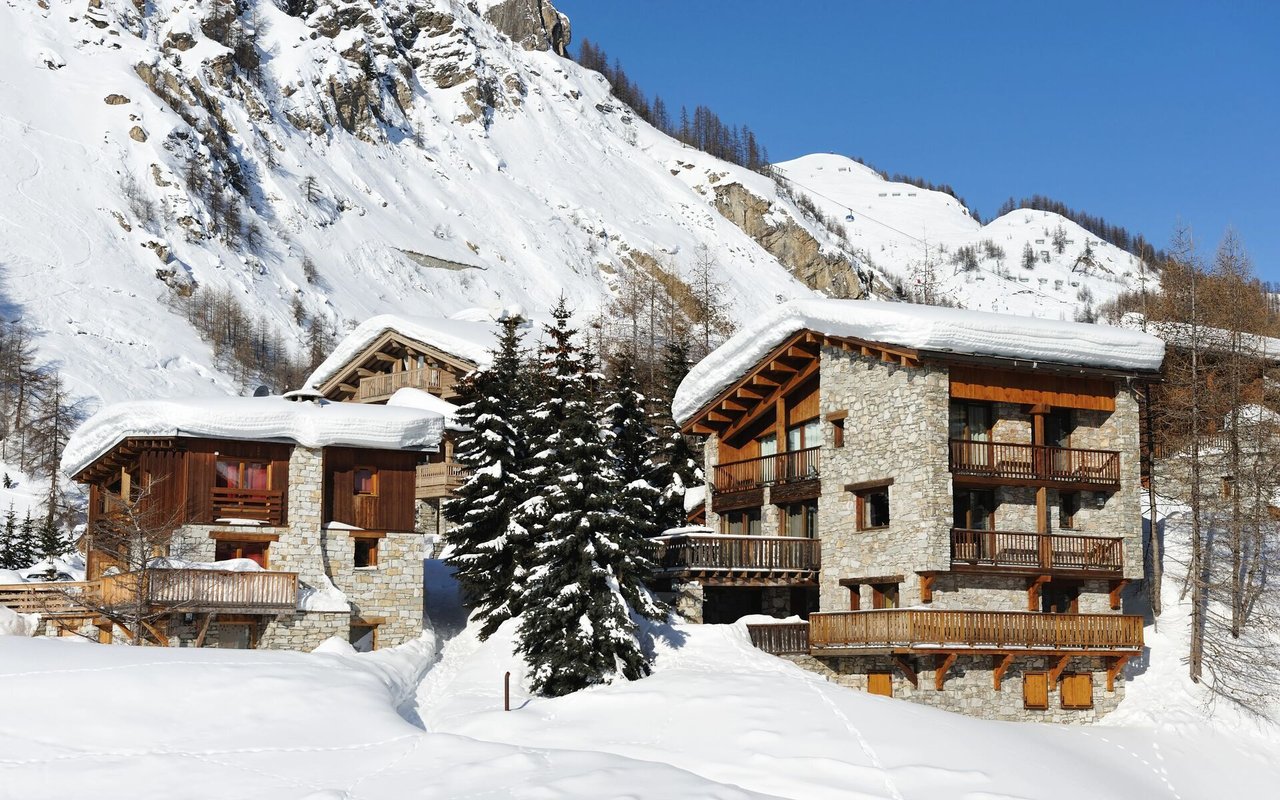
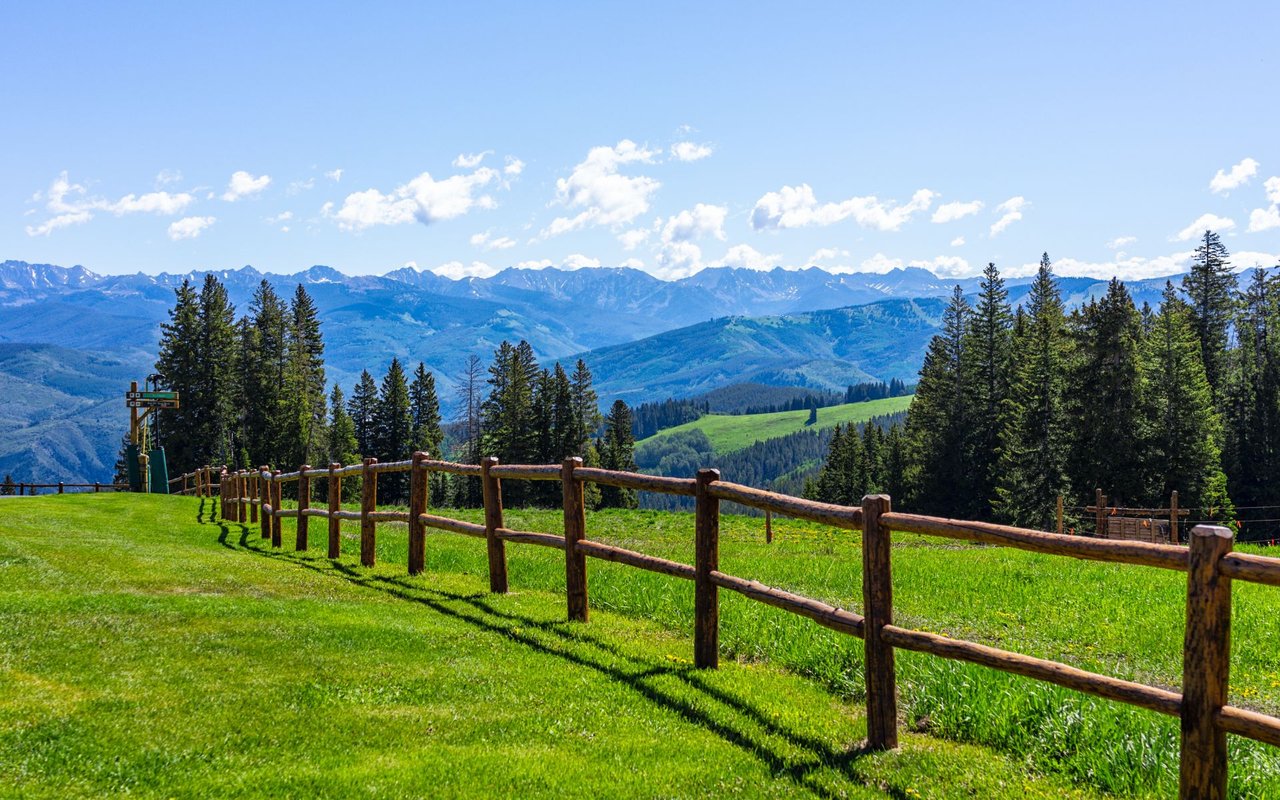
There's so much to love about Telluride. With a free gondola connecting town to the slopes, protected Victorian architecture, and more than 300 inches of annual snowfall, Telluride embraces visitors and new residents alike.
Telluride's real estate landscape is also home to some of the most exclusive properties in the entire Rocky Mountain West.
Telluride, Colorado – Community Overview & Real Estate Guide
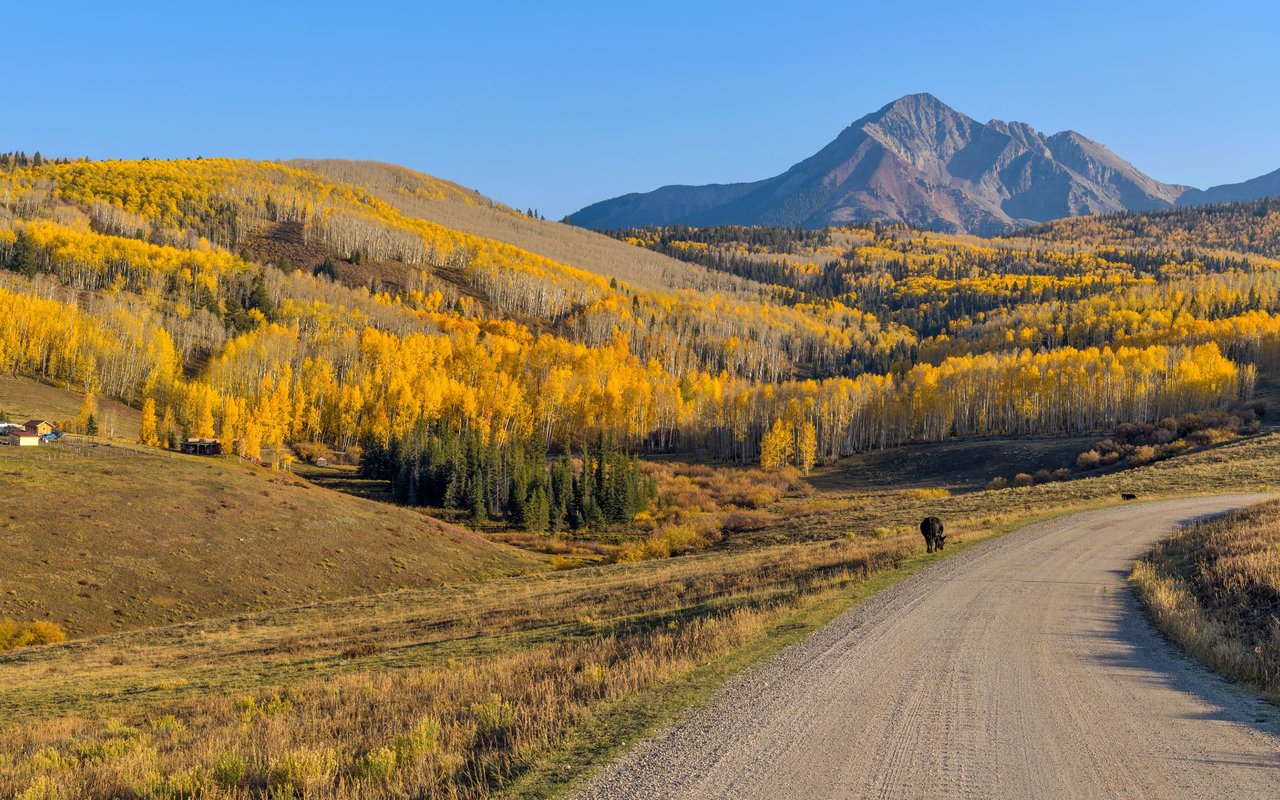
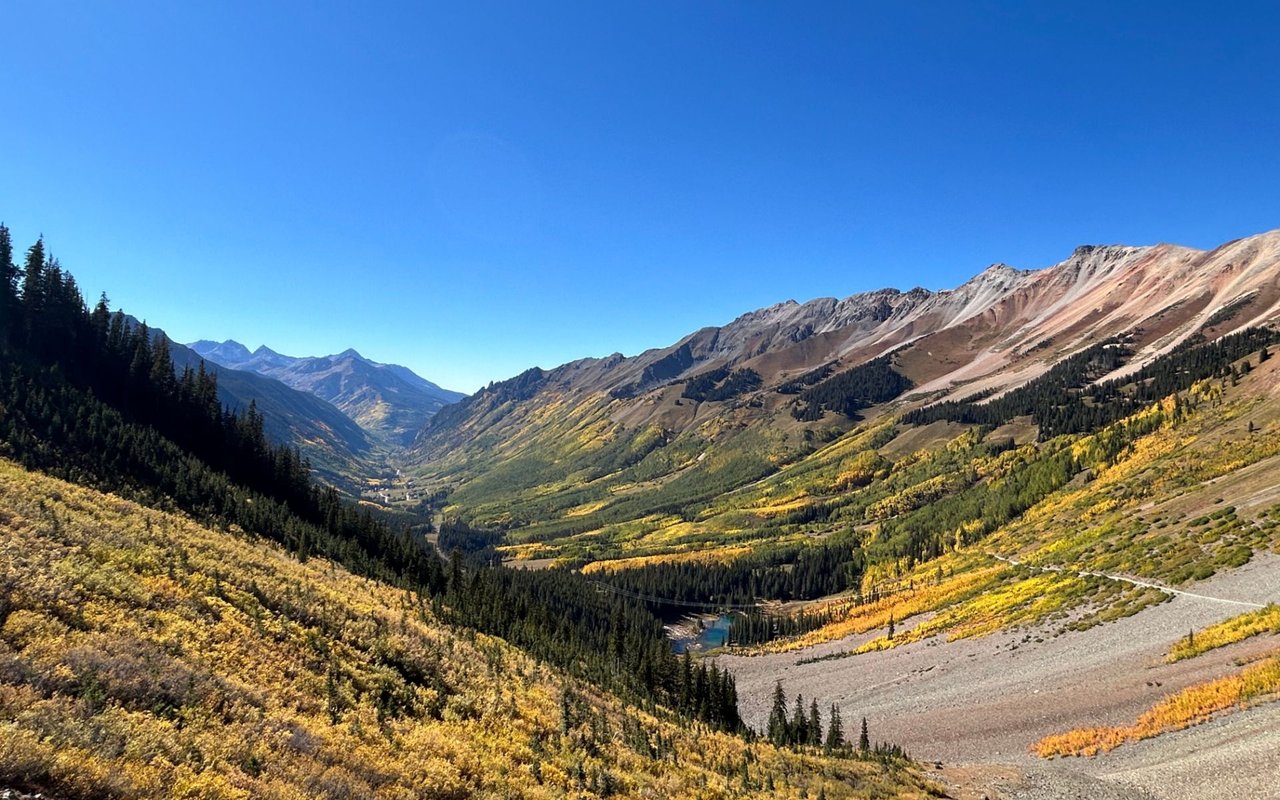
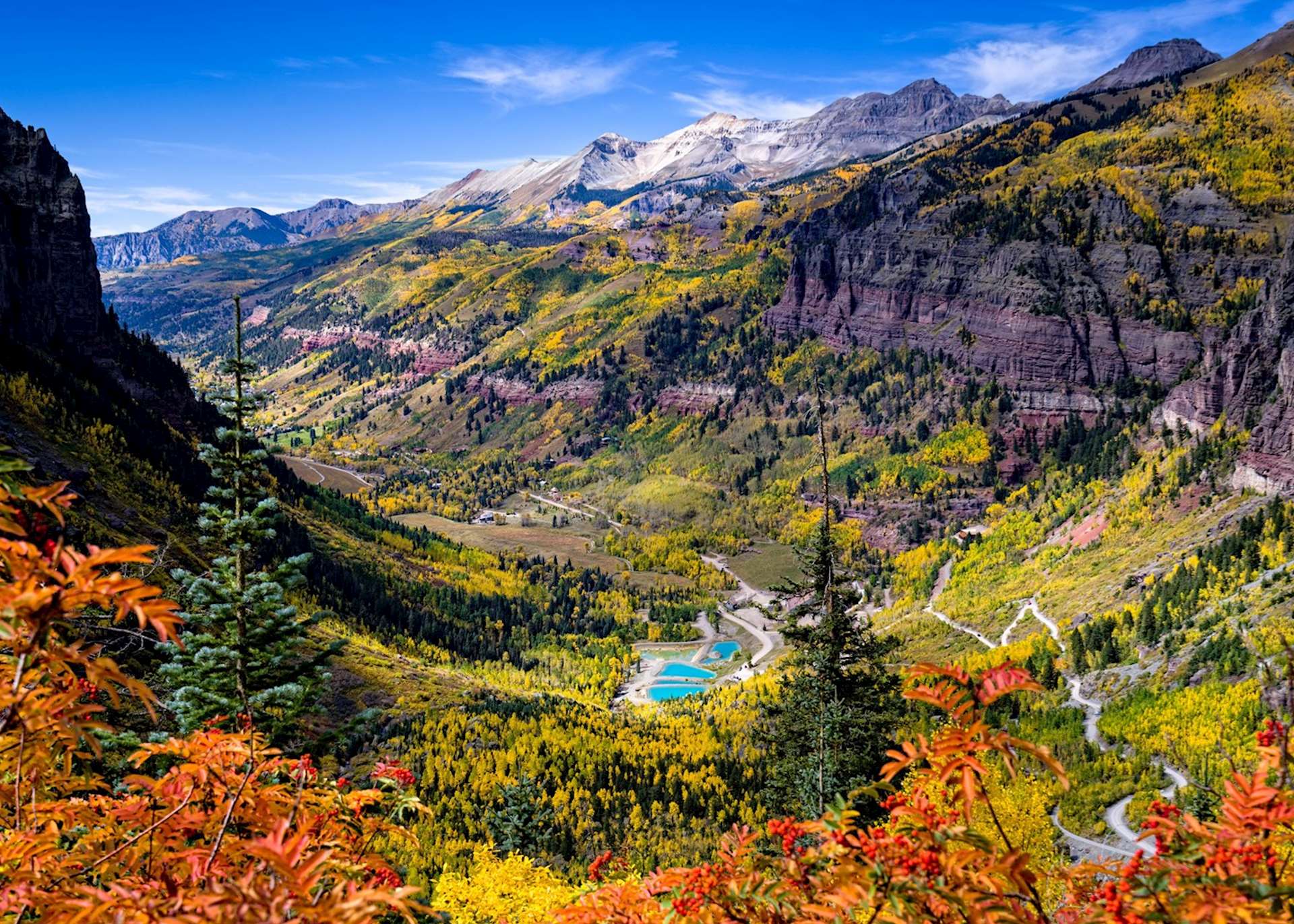
Tucked into a dead-end box canyon in the San Juan Mountains, Telluride blends a National Historic Landmark District, a world-class ski resort, and one of the most scarcity-driven luxury real estate markets in the country. Just a free gondola ride from the historic town, Mountain Village offers ski-in/ski-out living with resort-style amenities. Together, the two communities offer a powerful mix of outdoor adventure, small-town charm, and long-term investment value. Its year-round lifestyle-summer festivals, championship hiking and biking trails, and legendary powder skiing, makes it a top choice for second-home buyers, outdoor enthusiasts, and investors alike.
Overview of Telluride, CO
Telluride sits at 8,750 feet in San Miguel County, Colorado, roughly a 6.5-hour drive or short flight from Denver. Its location at the end of Highway 145 means the town is bordered on three sides by protected National Forest land, a structural constraint that has long supported home values. Telluride Regional Airport, the highest-elevation commercial airport in North America, sits just five miles away, while the free Telluride–Mountain Village gondola links the historic downtown to ski-in/ski-out living above. Home to a nationally recognized school district, a legendary film and music festival calendar, and some of the best skiing in North America, Telluride consistently ranks among the most desirable and priciest small towns in the country.
Key Facts about Telluride, CO | |
|---|---|
Area | Approx. 2.2 sq miles (Town of Telluride); Mountain Village adds 3.27 sq miles |
County | San Miguel County, Colorado |
Established | 1878 (incorporated); National Historic Landmark District since 1961 |
Population (est.) | ~2,500–2,600 (Town of Telluride); ~1,400 (Mountain Village) |
Nearby Parks & Public Lands | Uncompahgre National Forest; Bear Creek Preserve; Town Park; Bridal Veil Falls; Ilium Valley |
Main Roads | Highway 145 (San Juan Skyway); Mountain Village Boulevard; Telluride–Mountain Village Gondola |
Telluride offers the best of both worlds: a fixed, land-constrained luxury market that has held value through every economic cycle, and a year-round mountain lifestyle rooted in skiing, hiking, and world-class festivals. Whether you're seeking a Victorian-era home in the historic district, a ski-in/ski-out residence in Mountain Village, or an investment property near new developments like the Four Seasons Residences, Telluride remains one of the most resilient and sought-after real estate markets in the Rockies. Browse current inventory on our Telluride real estate hub page.
Location & Connectivity in Telluride
Telluride sits at the end of a dead-end box canyon in Colorado's San Juan Mountains, roughly a seven-hour drive from Denver via Highway 145. Its location offers direct access to Mountain Village, Ophir, and Norwood, with Telluride Regional Airport (TEX)—the highest-elevation commercial airport in North America at 9,078 feet, just five miles away, and Montrose Regional Airport (MTJ) about 65 miles north for larger commercial jets. The town's remote, land-locked setting is a defining feature of its real estate scarcity and long-term value.
Day-to-day mobility in Telluride is unlike almost anywhere else: a free public gondola connects the historic town to Mountain Village, and the nearest traffic light is 37 miles away. Residents get around by foot, bike, free town shuttle, or the gondola, while regional and national connections run through the local and Montrose airports.
Connectivity & Transportation — Telluride, CO | |
|---|---|
Location Map & Overview of Telluride | Box canyon town in San Miguel County, southwestern Colorado, at the end of Highway 145. Bordered on three sides by Uncompahgre National Forest. Connected to Mountain Village by a free public gondola. |
Nearby Areas & Communities around Telluride |
|
Attractions & Points of Interest in Telluride |
|
Public Transport in Telluride |
|
Road Access & Main Highways |
|
Parking in Telluride | Limited on-street and permit parking in the historic district; free park-and-ride lots at the west end of town with shuttle access. Mountain Village offers structured parking near the gondola and ski base. |
Walking & Cycling in Telluride | The historic town core is highly walkable, and the free gondola doubles as year-round non-motorized transit. Extensive singletrack and paved paths connect town to Bear Creek, the Valley Floor, and Mountain Village. |
Taxi & Ride Apps | Limited Uber/Lyft availability; local taxi, shuttle, and private car services are the primary options, especially for airport transfers. |
Airport Access in Telluride |
|
Telluride's box canyon setting delivers a rare, protected sense of place, whether arriving by air, gondola, or on foot. With a free inter-town transit system, two regional airports, and a permanently limited land base, Telluride offers a mountain lifestyle that few other resort towns can match. Explore current inventory on the Telluride, CO real estate hub.
Telluride Real Estate Market Trends (2026)
Telluride behaves less like a conventional buyer's or seller's market and more like a scarcity market, where fixed land supply—not buyer-seller balance—sets the tone. As of mid-2026, the median list price sits near $3,175,000 across roughly 90 active listings, with an average price per square foot around $1,934, and a median time on market near 291 days—typical for a luxury resort market where sellers are rarely forced to sell. Major new developments, including the Four Seasons Residences Telluride and Highline in Mountain Village, are introducing new luxury inventory and pricing benchmarks approaching $4,000 per square foot. Entry-level and mid-market segments have seen a modest return of buyer negotiating leverage, while the ultra-luxury segment remains highly competitive. For live listings and price-tier breakdowns, visit our Telluride, CO real estate hub page.
Property Type | Median Price (USD) | Price per Sq.Ft (USD) | Average Rent (USD/month) | Rental Yield |
|---|---|---|---|---|
1–2BR Condo (Town/Mountain Village) | $1,200,000 (est.) | $1,800 | $4,500 | 4.5% (est.) |
Ski-In/Ski-Out Condo | $2,400,000 (est.) | $2,200 | $7,500 | 4.2% (est.) |
3–4BR Single-Family Home (In-Town) | $3,175,000 (est.) | $1,934 | $9,000 | 4.0% (est.) |
Luxury Estate / New Construction | $4,700,000+ (est.) | $2,550+ | $15,000+ | 3.8% (est.) |
Methodology & notes: Median list price ($3,175,000) and average price per square foot (~$1,934) sourced from Mountain Rose Realty's May 2026 IDX analysis; trailing-3-month median sale price ($4.7M) per Redfin reflects a very small, low-volume luxury sample. Figures vary widely month to month given Telluride's tiny transaction count—always verify against live MLS comps. Rental values are broker-sourced estimates for peak-season and long-term mountain rentals. Yields are estimates; ski access, historic-district status, and HOA/short-term-rental restrictions strongly affect values.
Ready to Buy or Sell in Telluride?
With 200+ families guided into Telluride homeownership and record-setting sales across Mountain Village and the historic town, the O'Neill Stetina Group at Telluride Properties brings unmatched local expertise to every transaction. Let their team put decades of scarcity-market experience to work for you.

Lifestyle in Telluride
Telluride blends legendary skiing with a protected Victorian streetscape, a packed festival calendar, and a small-town community feel. As a National Historic Landmark District surrounded by National Forest, it offers big-mountain adventure with an intimate, walkable core.
Location in Telluride
Box canyon town at the end of Highway 145 in the San Juan Mountains, bordered by National Forest on three sides. Free gondola connects to Mountain Village above.
Community in Telluride
The historic downtown pairs with Mountain Village's ski-in/ski-out core, plus smaller pockets like Society Turn and the Valley Floor for diverse lifestyles.
Dining in Telluride
Chef-driven mountain cuisine, historic saloons, and a strong farm-to-table scene—all local and independent, since Telluride swears off chain restaurants.
Education in Telluride
Telluride School District R-1 is nationally recognized for academic excellence; Telluride Mountain School offers an experiential private alternative.
Housing in Telluride
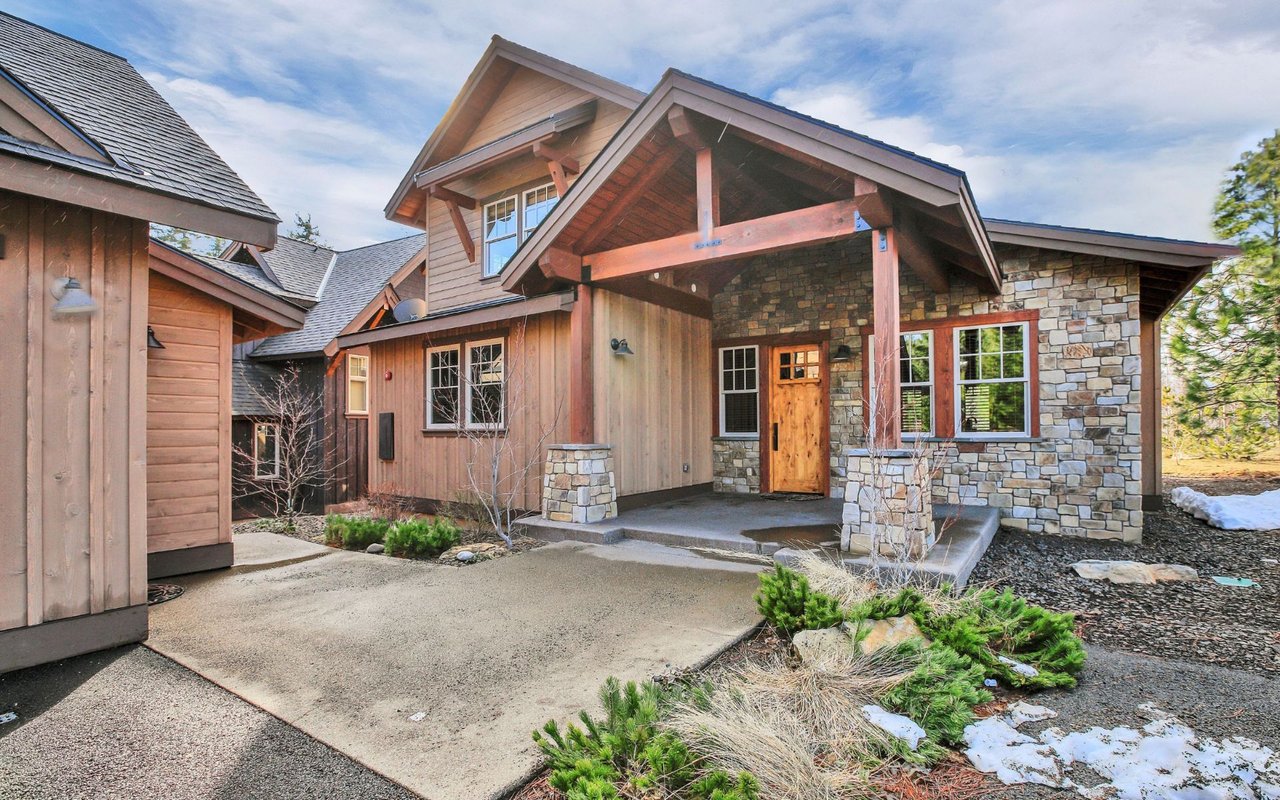
Mix of protected Victorian-era homes, ski-in/ski-out condos, and new luxury construction like the Four Seasons Residences. Premiums for gondola and slope proximity.
Transportation in Telluride
Free town-to-Mountain-Village gondola, Galloping Goose shuttle, and Highway 145 access. Telluride Regional Airport is 5 minutes from town.
Climate in Telluride
High-alpine climate with over 300 inches of annual snowfall, sunny mild summers, and dramatic shoulder seasons between ski and hiking seasons.
Amenities in Telluride
Locally owned shops and galleries along Colorado Avenue, the Telluride Historical Museum, hot springs day trips, and the year-round Telluride Conference Center.
Demographics in Telluride
A small, affluent, highly active population of second-home owners, outdoor professionals, and long-time locals with a median age around 40.
Pros in Telluride
World-class skiing and hiking, protected land supply, strong long-term appreciation, top-rated schools, and an unmatched festival and arts calendar.
Cons in Telluride
Extremely high entry prices, remote location with limited commercial flights, seasonal workforce housing shortages, and long median days on market for aspirationally priced listings.
Outdoor Activities in Telluride
Downhill and backcountry skiing, by the Via Ferrata and Bear Creek trails, mountain biking, fly fishing, and the summer Telluride Bluegrass and Film Festivals.
Telluride's lifestyle brings together elite outdoor adventure and small-town intimacy—a protected historic core, a namesake ski mountain, and a flourishing festival culture—ideal for buyers seeking legacy value, recreation, and community.
Amenities in Telluride, CO
Telluride offers a full spectrum of amenities—from a dedicated regional medical center and nationally recognized schools to boutique retail, fitness, and pet-friendly services. Use the cards below to explore the resources that make this mountain town both livable and convenient.
-
Hospitals & Clinics in Telluride
San Miguel County • Southwest ColoradoTelluride is served by a local medical center and urgent care, with larger hospital systems available down-valley.- Telluride Medical Center — 500 W. Pacific Ave, 24/7 emergency care
- Mountain Village Health Center — seasonal clinic near the ski base
- Montrose Regional Health — full-service hospital, ~65 miles north
- Telluride Ski Patrol & Alpine Rescue — on-mountain emergency response
-
Supermarkets & Shopping in Telluride
Colorado Ave • Mountain Village CenterLocally owned boutiques, galleries, and grocers define the shopping experience, with Telluride's no-chain-store policy preserving its independent character.- Clark's Market — main grocery, downtown Telluride
- Market Plaza — grocery and liquor store, Mountain Village
- Colorado Avenue — boutique shopping and art galleries
- Telluride Farmers Market — seasonal, Fridays in summer/fall
-
Fitness & Recreation in Telluride
Ski Resort • Trails • Via FerrataTelluride is built around outdoor recreation, with a renowned ski resort and an extensive network of hiking and biking trails.- Telluride Ski Resort — 2,000+ skiable acres, legendary steeps
- Via Ferrata — cliffside fixed-protection climbing route
- Bear Creek Preserve — hiking trailhead from downtown
- Telluride Golf Club — Mountain Village, high-altitude course
- Telluride Nordic Center & Palm Theatre fitness classes
-
Pet Services in Telluride
Veterinary • Boarding • TrailsTelluride is a dog-friendly mountain town with local veterinary care and abundant off-leash recreation.- Telluride Veterinary Clinic — local small-animal practice
- San Miguel County Animal Shelter — adoption and boarding resources
- Town Park & Valley Floor — popular on- and off-leash dog areas
Schools & Preschools in Telluride
Families in Telluride benefit from Telluride School District R-1, a small, nationally recognized Pre-K–12 district known for its academic rigor, low 12:1 student-teacher ratio, and hands-on experiential programs, including built-in ski and snowboard days each winter. Students from neighboring districts often choose to attend Telluride schools for their reputation. Telluride Mountain School offers a private, experiential alternative for families seeking a different educational model.
The district's small size and mountain-town setting mean tight-knit classes and strong community involvement, with academic performance consistently recognized by the Colorado Department of Education and national organizations.
School / Preschool | Type | Location | Highlights |
|---|---|---|---|
Telluride Elementary School | Public (PK–5) | 725 W. Colorado Ave | Part of Telluride School District R-1; small class sizes with a 12:1 student-teacher ratio. |
Telluride Middle School | Public (6–8) | Telluride | Strong academics paired with experiential, outdoor-based learning programs. |
Telluride High School | Public (9–12) | Telluride | Nationally recognized for AP participation and academic excellence; built-in winter ski/snowboard days. |
Telluride Mountain School | Private (PK–8) | Telluride | Experiential learning community emphasizing strong academics and meaningful relationships. |
- School District: Telluride School District R-1, serving roughly 800–825 students Pre-K through 12.
- Notables: Recognized by the Colorado Department of Education for sustained accreditation and nationally by Advanced Placement organizations.
- Tip: Attendance and enrollment can vary by residency status—always confirm current boundaries and open-enrollment policy with the district.
Investment Potential in Telluride, CO
As one of Colorado's most land-constrained resort markets, Telluride offers investors strong fundamentals across peak-season vacation rentals, buy-and-hold luxury properties, and new luxury development in Mountain Village. A National Historic Landmark District, surrounding National Forest, and a strict local growth policy structurally limit new supply, supporting long-term value.
Why Telluride? Fixed land supply, a world-class ski resort, and a globally recognized festival calendar keep both the sales and rental markets resilient through economic cycles. Major new luxury developments like the Four Seasons Residences and Highline signal continued institutional confidence in the market's long-term trajectory. For current listings by price tier, visit our Telluride, CO real estate hub.
- Buy & Hold: Historic-district homes and Mountain Village ski-access properties offer reliable long-term appreciation.
- Vacation Rental Market: Ski-in/ski-out condos and in-town homes near festival venues command premium peak-season nightly and weekly rates.
- New Development: The Four Seasons Residences and Highline in Mountain Village represent the newest wave of institutional-grade luxury inventory.
- Risk & Underwriting: Long median days on market for aspirationally priced listings, strict historic-district renovation rules, and short-term rental regulations; verify HOA and town zoning before purchasing.
Rental Snapshot (Typical Monthly/Peak-Season Ranges)
1–2BR Condo: ~$4,500/mo long-term (peak-season nightly rates much higher) • 3–4BR Home: ~$9,000/mo • Ski-In/Ski-Out Luxury: ~$15,000+/mo
What Performs Well
- Ski-in/ski-out access and gondola proximity.
- Historic-district character paired with modern, high-altitude-rated systems.
- Turnkey furnished properties near festival venues and Colorado Avenue.
Compliance Checklist
- Confirm short-term rental licensing requirements with the Town of Telluride or Mountain Village.
- Review historic-district design guidelines before planning any renovation.
- Budget for high-altitude construction costs, HOA dues, and seasonal snow-load maintenance.
Whether holding a historic in-town home, a ski-in/ski-out condo in Mountain Village, or an investment in one of the area's new luxury developments, Telluride's fixed land supply and global brand recognition continue to make it one of the most resilient real estate markets in the Rockies. For personalized guidance, connect with the O'Neill Stetina Group or browse the Telluride, CO real estate hub.
Frequently Asked Questions About Telluride
Is Telluride a good place to live year-round?
Yes. While Telluride is well known as a ski and festival destination, a strong core of full-time residents keeps the town active through every season. Schools, restaurants, and community organizations operate year-round, and the shoulder seasons (spring and fall) are when many locals say they enjoy the town most.
What types of homes can you find in Telluride?
Downtown Telluride has restored Victorian homes, newer mountain-modern construction, and condominiums. Mountain Village offers ski-in/ski-out residences and luxury estates. Surrounding communities like Lawson Hill, Wilson Mesa, and Sunshine Mesa provide more space and larger lots. Further out, ranches and rural acreage are available in the valleys and mesas.
How are the schools in Telluride?
The Telluride School District is one of the highest-rated in Colorado, with small class sizes and statewide recognition for its teachers and programs. The district serves students from pre-K through 12th grade, and many families cite the schools as a major reason for choosing Telluride.
What is the ski season like in Telluride?
The Telluride Ski Resort typically operates from late November through early April, with over 2,000 acres of skiable terrain. The majority of runs are rated advanced or expert, but there are solid options for intermediate and beginner skiers as well. The resort is known for short lift lines compared to the Front Range ski areas.
How do you get to Telluride?
Most residents and visitors fly into Montrose Regional Airport (MTJ), about 65 miles north, which offers commercial service from several major hubs. The Telluride Regional Airport (TEX) has seasonal jet service and smaller prop flights. The drive from Montrose passes through Ridgway and takes about 90 minutes.
What are the surrounding communities near Telluride?
The broader Telluride region includes Mountain Village, Lawson Hill, Ophir, Rico, Ridgway, and the Placerville/Sawpit/Downvalley corridor. Each has a different feel, from the resort lifestyle of Mountain Village to the old mining-town character of Rico and the ranching community of Ridgway.
Is Telluride only a vacation or second-home market?
No. While second homes make up a significant portion of the housing stock, Telluride has a committed full-time population. The town has its own school district, a medical center, grocery stores, and a year-round social calendar. Many residents work in real estate, hospitality, outdoor recreation, and remote professional roles.
Thinking About Moving to Telluride?
As one of Colorado's most protected and prestigious mountain towns, Telluride offers a rare blend of world-class skiing, small-town intimacy, and legacy real estate value. You'll find distinct pockets like the Historic District, Mountain Village Center, and the Meadows, plus a free gondola linking it all together.
Housing includes protected Victorian-era homes, ski-in/ski-out condos, luxury new construction, and legacy mountain estates. Premiums follow proximity to the gondola, ski slopes, and historic downtown. Historic-district guidelines, HOA rules, and short-term rental regulations vary, always confirm before investing.
Daily life balances adventure and community: legendary powder skiing, the Telluride Film and Bluegrass Festivals, Bear Creek and Via Ferrata trails, and a nationally recognized school district. Getting here means a scenic flight into Telluride Regional Airport or a drive through the San Juan Skyway.
Ready to explore your options? Visit our Telluride, CO real estate hub page for current listings, or reach out directly to the O'Neill Stetina Group to start your search.