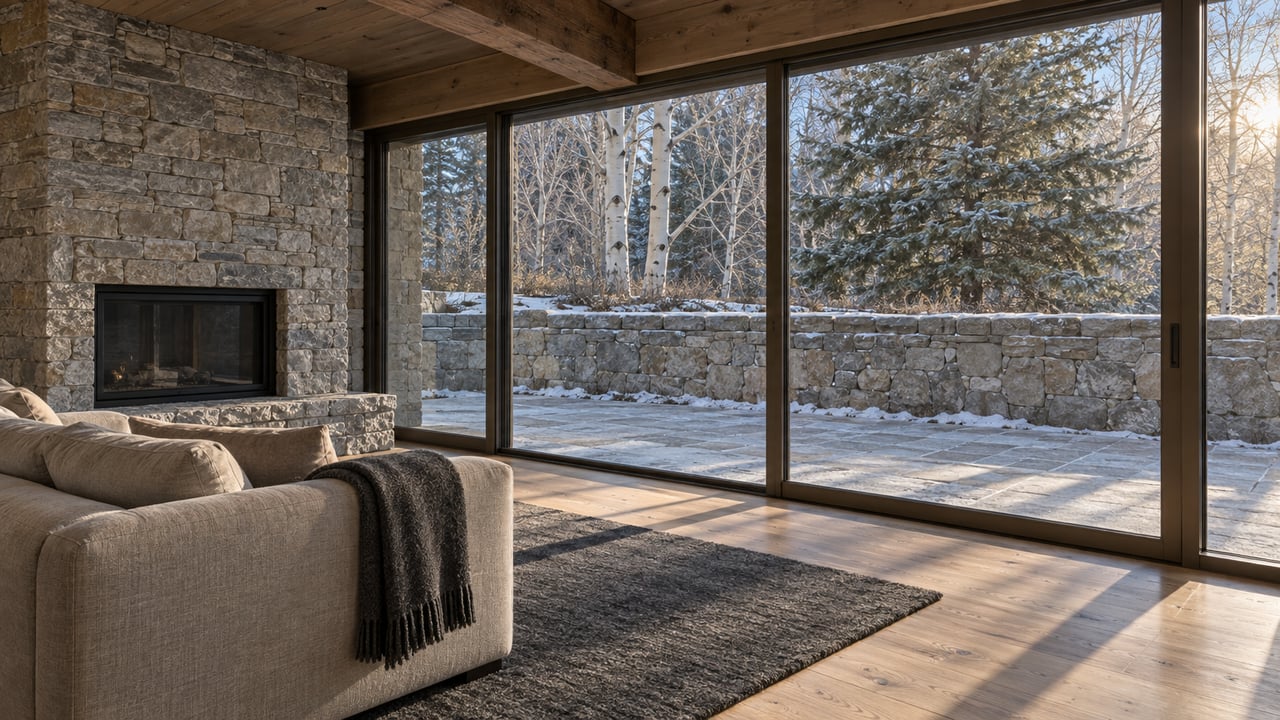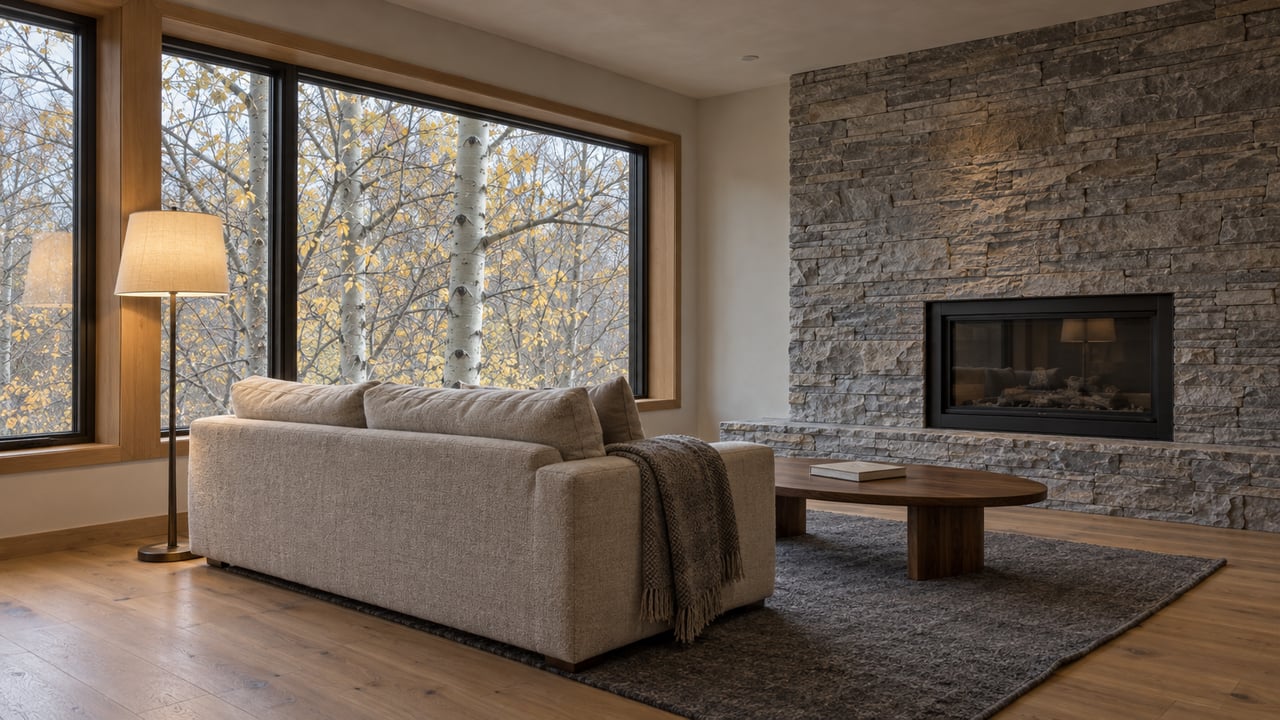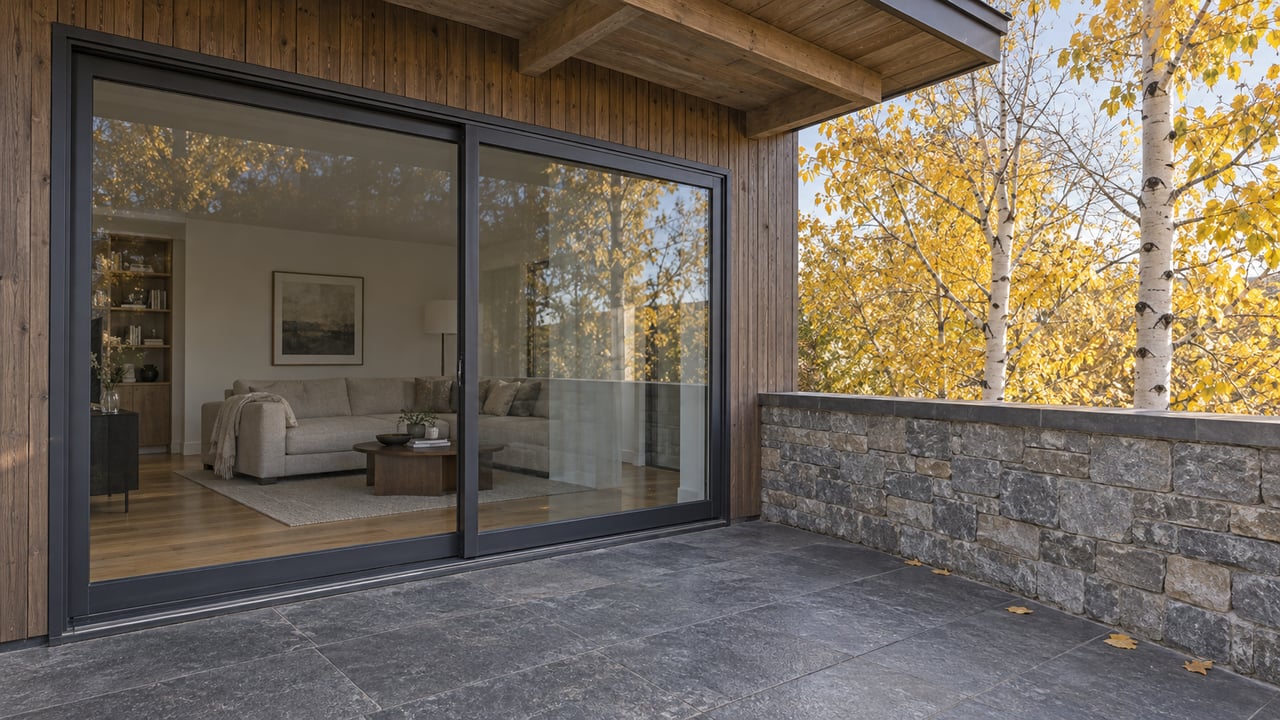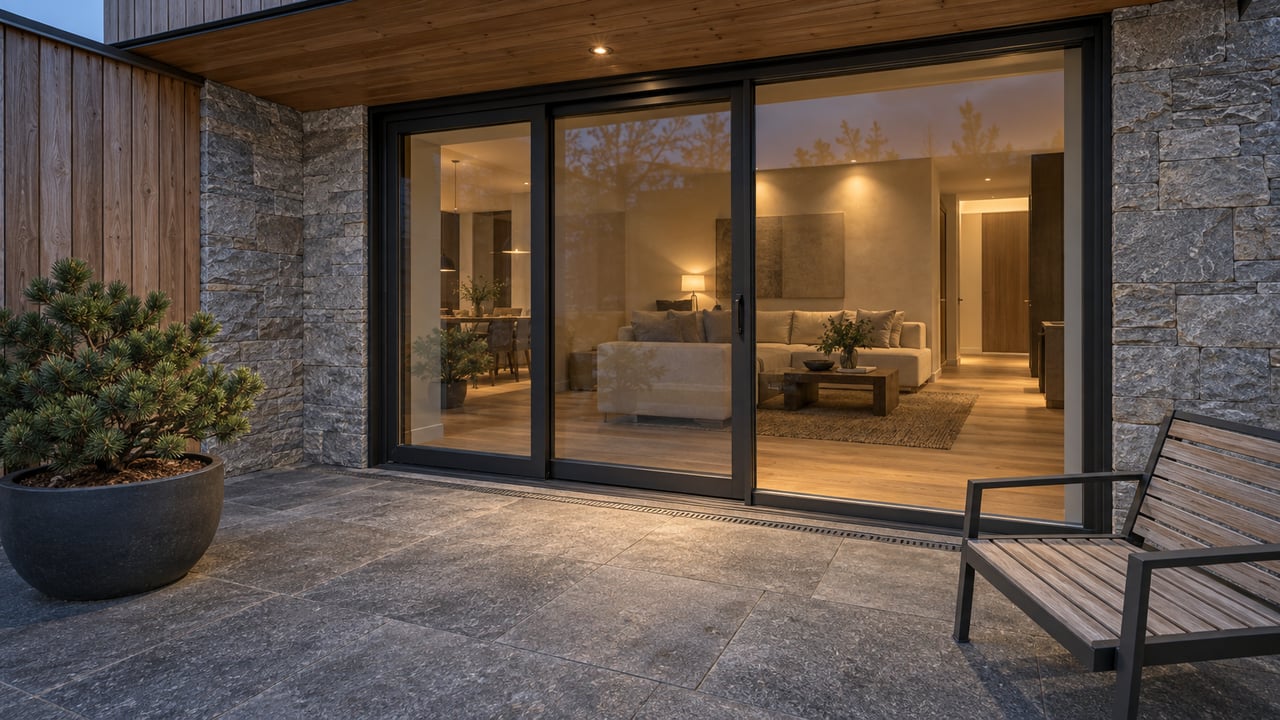
A house at 566 West Columbia Avenue went in front of Telluride's Historic and Architectural Review Commission on November 19, 2025. It came back on January 21, 2026. It came back again on March 18, 2026. Three public hearings, four months, and that is before a building permit gets pulled.
Buyers touring Victorians in Telluride's historic core tend to price the renovation in the same terms they'd use anywhere else: a contractor's bid, a lumber order, a few months of dust. In the Town of Telluride, that math is missing the clock that actually runs the project. The Historic and Architectural Review Commission, known locally as HARC, sits between a closing and a shovel in the ground, and its calendar moves in public hearings, not business days. For a buyer weighing two similar-looking Victorians, the difference between them may not show up in the listing at all. It shows up in whether one seller already burned through that calendar and the other hasn't started.
What the Four Tiers Actually Decide
The Town of Telluride sorts every exterior change to a historic structure into one of four categories: Insubstantial, Minor, Small Scale, or Large Scale. The category, more than the size of the check written to a contractor, decides who reviews the project and how many times it has to appear in public.
| Project Category | What It Generally Covers | Who Reviews It |
|---|---|---|
| Insubstantial | Like-for-like repairs, minor maintenance | Town staff, no hearing |
| Minor | Small visible changes such as a door or trim swap | Staff or HARC chairperson |
| Small Scale | Moderate exterior alterations | Full commission, one or more hearings |
| Large Scale | Additions, new construction, major reconfiguration | Full commission, split into preliminary and final hearings |
The town's own application checklist reflects that split directly. It asks applicants to select their track from a list that runs Worksession, Insubstantial Scale, Minor Scale, Small Scale, Preliminary Large Scale, and Final Large Scale, with Large Scale projects built as a two-stage process rather than a single approval. A buyer planning to swap a window sash is on a different track, and a different timeline, than a buyer planning to double a house's footprint.
According to the Town of Telluride, every exterior change, including doors and windows, requires a HARC application before anything else happens. Once HARC signs off, the next step is a building permit filed through the town's SmartGov portal, and inspections get scheduled through that same system. HARC approval isn't a formality on the way to a permit. It's the gate the permit sits behind.
Three Live Files, One Pattern
The Columbia Avenue file isn't an outlier. Look at the commission's own 2025-2026 agenda record and the pattern repeats.
A project referred to on the agenda simply as Tomboy moved through hearings on October 15, 2025, December 17, 2025, February 18, 2026, and March 18, 2026. Four appearances before the commission over five months. A property at 214 South Fir went before HARC on December 17, 2025, then again on January 21, 2026. Two parcels at 238 North Pine, listed as Lot 18A and Lot 18B, both had hearings scheduled for February 18, 2026.
None of these are unusual delays or contested fights. They're simply what Small Scale and Large Scale review looks like when it runs its normal course in a town where the commission meets on a set schedule, usually the third Wednesday of the month, at Rebekah Hall. A project that needs more than one round of comments from the commission doesn't get resolved at the next available slot. It waits for the next month's meeting, and the one after that.
For a buyer underwriting a renovation budget, that's the number that matters more than the contractor's estimate. A Small Scale or Large Scale project in Telluride's historic core is not a six-week permitting delay. Based on the pattern in the town's own 2025-2026 case files, it's closer to a season, sometimes closer to a year, before the commission signs off and a building permit can even be requested.
The Clock Doesn't Stop at Approval
Here's the detail that changes how a buyer should evaluate a listing that already has HARC-approved plans attached to it: approval isn't permanent.
A Certificate of Appropriateness, the document HARC issues once it approves a project, expires three years from its approval date under the town's Land Use Code. If a seller mentions that their addition already cleared HARC, that approval is a countdown, not a guarantee. An extension has to be requested from the Historic Preservation Department at least two months before the certificate lapses
What "Compatible" Looks Like When It Works
The commission's standard is compatibility, not replication, and two documented Telluride renovations show what that actually produces on the ground.
One, covered by Mountain Living, involved a neglected early-20th-century Victorian on a steep slope in downtown Telluride, roughly 1,300 square feet, purchased by a Washington, D.C. family for the site's unobstructed views of Bear Creek Preserve. Architect Eric Cummings and interior designer Catherine Frank expanded the house to just under 4,500 square feet while working through the commission's design guidelines. Rather than reproducing the original structure, the addition was designed to complement its forms and materials in a contemporary read on the historic vernacular, an approach that let the family get the scale they needed without the town treating the result as a mismatch.
The second involved an 1890s mining cottage, also covered by Mountain Living. Architect Tommy Hein lifted the original structure onto a new foundation, and architect Narcis Tudor designed an addition sheathed in reclaimed wood, modeled on a barn that had once stood at the rear of the property. The front door was rebuilt to closely match its Victorian predecessor, following the preservation codes governing the district, while the fence out front reinterpreted a classic picket design in steel. Inside, the layout was opened up entirely, turning a maze of small rooms into a more open home for the owners, who had specifically sought out Telluride as a retreat.
Neither project treated HARC review as an obstacle to route around. Both used it as the framework for deciding what to keep, what to rebuild, and what to reinterpret. That's consistent with how the town's own Historic Preservation Awards program, running since 2008, judges submitted projects: against the Secretary of the Interior's Standards for Rehabilitation and the town's own design guidelines, in categories that include Rehabilitation and Restoration and Most Compatible Addition.
Due Diligence Before You Write an Offer
For a buyer evaluating a historic property in Telluride, the practical questions to resolve before closing look different from a standard home purchase:
- Confirm whether any planned exterior work would fall under Insubstantial, Minor, Small Scale, or Large Scale review, since that determines whether the project needs a hearing at all.
- If the seller has an existing Certificate of Appropriateness, get the approval date in writing and calculate how much of the three-year window remains.
- Check the town's public HARC agenda records for the property address to see whether a project already has a hearing history, which shows how far through the process it actually is.
- Budget renovation timelines in months of hearing cycles, not weeks of construction, for anything beyond like-for-like repair.
- Loop in the Historic Preservation Department early. The town's Historic Preservation, Planning and Building Coordinator fields these questions directly and can clarify which track a specific project falls into before an offer is even drafted.
Frequently Asked Questions
Does every change to a historic Telluride home require HARC review? Any exterior alteration, including something as small as a door or window replacement, requires a HARC application.
How long does Large Scale review actually take? In the commission's own 2025-2026 case files, examples of Large Scale and Small Scale projects that require full commission review have run three to four hearings across four to five months, with the commission typically meeting monthly. Some projects can take longer. Simpler Minor or Insubstantial projects can be resolved at the staff level without that cycle.
Buying in Telluride's historic core rewards buyers who treat the HARC calendar as part of the deal, not an afterthought to it. If you're evaluating a historic property, or already own one and are weighing what a renovation would actually take, the O'Neill Stetina Group works through these questions as part of every historic-district transaction. Schedule a Private Consultation to talk through a specific address before you write the offer.
This article is general information, not legal, tax or financial advice. Consult a qualified professional about your situation.